CHANGING YOUR HAIR COLOR FOR THE SEASON? READ THIS FIRST.
When I was 4 years old, my older sister got an amazing new doll for Christmas. Her hair would grow every time you pulled a string on her back. I had so much fun that Christmas morning, hiding behind a blue and white checkered wing chair as I cut, then pulled the string, and cut again. At one point I pulled the string and... nothing happened. The mechanism was broken. My sister was devastated, and I'm sure this wasn't the only Christmas I ever ruined for her!
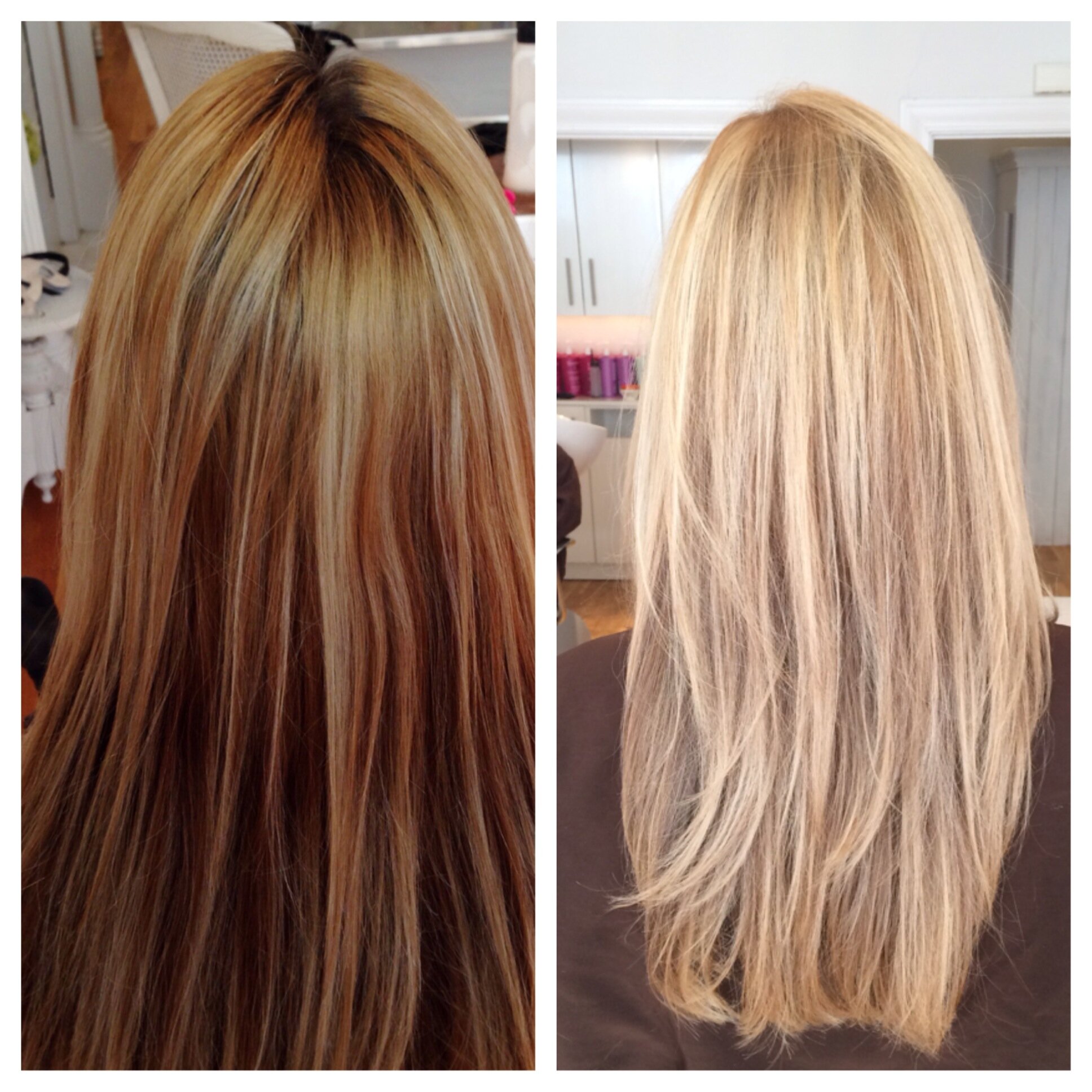
Changing Hair Color Every Season?
Here's what that broken doll taught me about hair: once you damage the mechanism, you can't just pull a string and fix it.
The Color Change Trap
As a two-time "Best of Boston" award-winning colorist who spent years behind the chair, I saw this pattern constantly. A client would come in as a platinum blonde, decide to go dark brown (almost black) for fall, then three months later want to be platinum again for summer.
The problem? That's not how hair works.
Every time you lighten hair that's been darkened, you're re-processing already compromised strands. The cuticle gets rougher. The porosity increases. The elasticity decreases. Eventually, your hair stops bouncing back, just like that Christmas doll.
What Actually Happens When You Constantly Change Color
After 15+ years as a professional colorist, here's what I learned:
Hair has limits. Once you process it past a certain point, nothing can reverse that damage. Not expensive treatments. Not miracle products. Not even the fanciest salon visit.
Going darker doesn't give your hair "a break" unless you're staying dark permanently. The damage happens when you try to lift that dark color back out again, and you're essentially re-bleaching already compromised hair.
The only real solution? Growing it out. Which can take years, not months.
The Better Alternative
When I moved to Arizona, my hair went through hell. The dry climate, the hard water, the intense sun exposure... combined with years of professional coloring, my hair just wouldn't grow past a certain point no matter what I tried.
I spent years testing different approaches, trying professional treatments, switching products. What I finally discovered wasn't about adding more chemicals or more processes.
It was about working with my scalp, not against it.
Most people focus entirely on the hair shaft when they want to make changes, whether that's color, length, or thickness. But that's like trying to grow a better garden by spraying the grass blades instead of improving the soil.
The decision I had to make was this: Keep chasing temporary color changes that would keep my hair damaged and stuck at the same length, or commit to actually growing healthy, long hair that could handle occasional changes without breaking.
I chose length. And once I understood what was actually preventing my hair from growing, everything changed.
If You're Ready to Stop the Damage Cycle
If you're tired of choosing between the hair color you want and the hair length you want, I put together a free guide that explains:
Why your hair stops growing at a certain length (hint: it's not genetics)
The scalp factor that professional colorists rarely discuss with clients
How to reverse years of color damage without cutting it all off
The timeline for actually seeing healthy, longer hair (and why most products fail)
[Get the free guide here → https://longerhairnaturally.com/start-page
You can keep changing your color seasonally, but you need healthy, long hair as your foundation first. Otherwise you're just breaking that doll mechanism over and over again.
LEGAL DISCLAIMER: This blog post contains my personal opinions and experiences as a former professional hairstylist. I am currently a MONAT Market Partner and may earn commission from product sales. The information provided is for educational purposes only and should not replace professional hair care advice. Individual results may vary. Always perform a patch test before trying new hair products and consult with a licensed professional for significant hair changes.